
Know the Typical Costs (and Set Your Budget)
First, understand the local camp cost range. Summer camp fees in Singapore typically run from about $300 to $800 per week, depending on factors like camp duration (half-day versus full-day), provider reputation, and included materials or meals. Specialty camps (like robotics) and those at international schools are usually pricier. Once you have this baseline, decide how much you can comfortably spend per week or per child and how many weeks of camp you’re planning.
For example, you might allocate $500 per child for summer camps—this could cover one pricier week or two more affordable weeks. Setting a clear budget helps eliminate options beyond your limit, focusing your search on realistic choices.

Photo credit: Wolf Camp Singapore
Early-Bird and Promo Code Discounts
One excellent way to save money is by utilizing early-bird discounts. Many camps offer discounted rates (often 10-20% off) if you book a couple of months in advance, typically by April or May. Mark these dates early on your calendar to benefit from these savings. Promo codes like SASSYMAMA50 for $50 off can also add up, particularly when booking multiple camps or enrolling siblings.
Speaking of siblings, sibling discounts are common—expect around 5% to 10% off for additional children, or a flat-rate discount when siblings enroll together. Some camps offer “refer a friend” discounts, so consider pairing up with fellow parents to maximize savings. Always check camp websites or ask directly about available promotions. It never hurts to inquire, and you might just snag a good deal.
Additionally, parenting sites like Sassy Mama or HoneyKids often share exclusive discount codes through partnerships. Jungle’s platform may also highlight promotions, simplifying your hunt for deals.
Opt for Half-Day or Shorter Camps
Trimming costs can be as simple as choosing half-day camps or those running fewer days, instead of full-week, full-day programs. Half-day camps typically cost significantly less—for instance, one swim camp charges about $92 for half-day versus $165 for full-day sessions. If your schedule allows, half-day camps provide mornings full of activities while leaving afternoons free (ideal if you’re a stay-at-home parent or have flexible hours).
Some providers also offer shorter, 3- or 4-day camps around public holidays. Although these have fewer days, your child still enjoys a fulfilling camp experience at a reduced cost. Younger children might find these shorter durations perfect for their attention span.
Additionally, look for camps allowing daily bookings. Paying per day (around $80/day) can provide flexibility and budget-friendly coverage, letting you test camps before committing further.

Photo credit: Lion City Parkour
Look for Community and Non-Profit Programs
Don’t overlook community centers, museums, and non-profits for affordable options. Community centers (CCs) under the People’s Association often offer budget-friendly workshops or mini-camps for residents, sometimes under $100 due to subsidies. Check local CC websites or notice boards for details.
Museums and libraries frequently host holiday programs. Institutions like the National Museum or ArtScience Museum sometimes offer affordable, educational day camps or workshops. Similarly, the Science Centre or Zoo often have low-cost morning programs suitable as camp alternatives.
Non-profits and churches occasionally run Vacation Bible Schools (VBS) or holiday camps for minimal fees, often including games and crafts similar to other camps. Even if you’re not a member, these are usually open to the public. For older kids, volunteering organizations might offer free camps in exchange for community service.
DIY Camp Co-ops and Exchanges
A creative, budget-friendly solution involves teaming up with other parents to create mini-camp rotations. I've done this successfully with trusted friends: each parent hosts activities one day per week, rotating responsibilities. For example, Monday could involve science experiments at your home, Tuesday swimming and crafts at another’s condo, Wednesday baking, etc. This arrangement provides an affordable, enjoyable week for kids while spreading responsibilities evenly among parents.
This method requires coordination, willingness, and safety agreements (particularly for outings). It's informal but cost-effective and enjoyable for children.
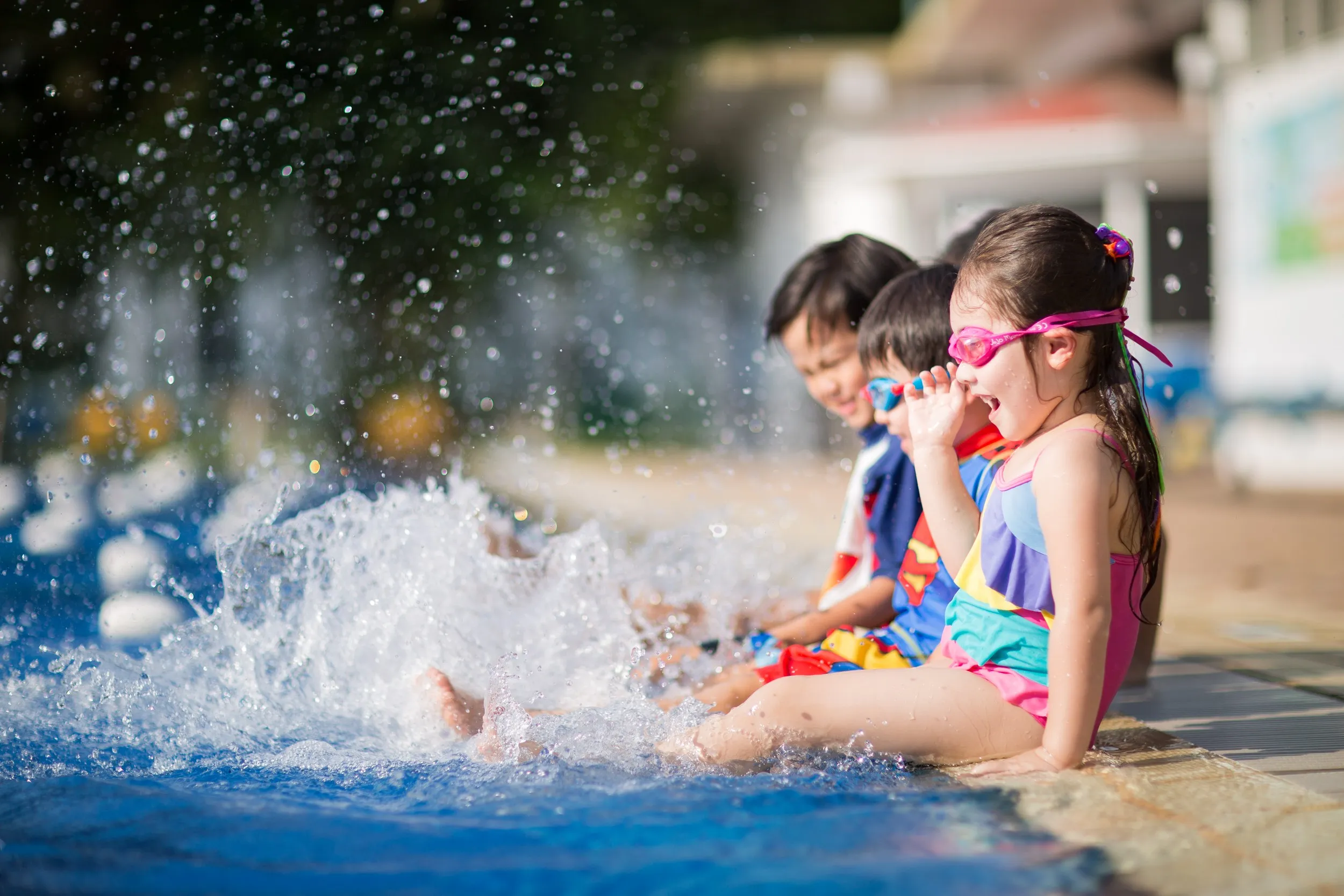
Photo credit: aquaDucks
Consider Shorter Workshops Instead of Full Camps
If multiple full-week camps are too costly, consider shorter workshops or single-day events scattered throughout the summer. Singapore hosts numerous affordable holiday programs, such as cooking classes, art jamming sessions, or sports try-outs. These events cost significantly less, yet provide valuable learning experiences.
Check event platforms or Jungle's “Activities” section. Malls or community clubs also frequently organize free or inexpensive kids’ activities. Combining these shorter events with playdates or family outings creates a lively, affordable summer.
Make the Most of What You Pay For
When investing in a camp, maximize its value. Opt for camps with inclusive pricing (meals, snacks, materials, or field trips included), like those previously offered by Lorna Whiston. These extras save on additional expenses.
Fully utilize camp hours. Ensure timely drop-offs and pickups to avoid missing activities or incurring late fees. If camps offer complimentary extended playtimes, take advantage if needed.
Additionally, late July or early August camps sometimes see reduced enrollments due to family travels, prompting last-minute discounts. If your schedule is flexible, watch for these offers on platforms like Jungle.

Photo credit: Newtonshow
Budget Fun Can Still Be Great Fun
Remember, children measure fun, not cost. Expensive coding camps and free park picnics both create lasting memories. Combine one high-quality camp with budget-friendly adventures like beach days, cycling at East Coast Park, or visiting free gardens and galleries. Singapore provides numerous inexpensive activities—from water play parks to night festivals.
Use summer camps strategically, focusing on maximum learning, socialization, and childcare value. By planning smartly, utilizing discounts, and tapping community resources, you can ensure a fulfilling, affordable summer for your kids. Your wallet—and your children—will thank you!
Blogs

Aug 12, 2026
Kids' Birthday Party Venues in Singapore, Sorted by Age Band and Budget
Aug 10, 2026
Things To Do With Kids In Bedok: 18 Parks, Playgrounds And Pools Worth The Trip
Jul 31, 2026
18 Best Things To Do With Kids In Yishun: Playgrounds, Parks, Indoor Play And Family Fun In Singapore's North
Jul 30, 2026
Things to Do With Kids in Punggol, Singapore (2026): The Complete Guide

Jul 28, 2026
Beyond Sassy Mama: Things to Do With Kids in Jurong West, Singapore (2026)
Jul 16, 2026
Things to Do With Kids in Tampines, Singapore (2026)

Jul 15, 2026
Best Chess and Mind Sport Classes for Kids in Singapore (2026)

Jul 13, 2026
New Things to Do With Kids in Singapore in 2026 That Most Parents Have Not Tried Yet
Jul 8, 2026
Best Gymnastics Classes for Kids in Singapore (2026)

Jul 7, 2026
The Best Birthday Party Venues for Kids in Singapore (2026)

Jun 29, 2026
What to Do With Kids in Singapore in July 2026

Jun 25, 2026
Best Baby Sensory Classes in Singapore (2026)
.png)
Jun 22, 2026
Free Things to Do With Kids in Singapore During the June Holidays (2026)

Jun 17, 2026
Holiday Camps in Singapore Under $500: A Complete Guide (2026)

Jun 15, 2026
Week 3 of the June School Holidays in Singapore: A Reset Plan

Jun 8, 2026
What Kids Actually Learn at Holiday Camps (That Parents Do Not Expect)

Jun 2, 2026
Free and Low-Cost Things to Do These June Holidays in Singapore (2026)
Jun 2, 2026
June School Holidays 2026: Week 1 Planner & What's Closing Soon

Jun 2, 2026
June Holidays Singapore 2026: The Week-by-Week Planner

May 26, 2026
Last-Minute June Holiday Camps Singapore 2026

May 22, 2026
Public Speaking and Drama Classes for Kids in Singapore: 2026 Guide

May 21, 2026
What to Pack for Your Child’s First Holiday Camp in Singapore

May 14, 2026
A Guide to Outdoor and Nature Camps for Kids in Singapore

May 14, 2026
A Parent's Guide to Dance Enrichment in Singapore

May 7, 2026
A Parent's Guide to Mother's Day Activities in Singapore

May 5, 2026
A Guide to Children's Language Enrichment in Singapore

May 4, 2026
June School Holidays 2026 Singapore: Holiday Camp Guide

Apr 28, 2026
Cooking and Baking Classes for Kids in Singapore

Apr 27, 2026
A Parent's Guide to Sports Enrichment in Singapore (2026)

Apr 22, 2026
How to Choose the Right Enrichment Class for Your Child

Apr 16, 2026
From Toddler Sensory Play to Fine Art Mastery

Apr 15, 2026
Singapore Music Lessons: A Parent's Guide
Apr 9, 2026
Singapore Kids Swimming Lessons: A 2026 Parent Guide
Apr 8, 2026
The Best Kids Holiday Camps in Singapore (2026 Guide)

Mar 26, 2026
2026 Singapore School Holidays: Complete Calendar for MOE & International Schools

Nov 14, 2025
Best Martial Arts Classes for Kids in Singapore: Taekwondo, Jiu-Jitsu & More

Nov 7, 2025
STEM, Coding & Robotics: The Best Tech & Science Programs for Kids in Singapore

Oct 31, 2025
Top Gyms and Movement Classes in Singapore for Babies, Toddlers, and Young Kids

Oct 24, 2025
Act, Sing, Dance at Top Performing Arts Programs for Children in Singapore

Oct 17, 2025
Where Kids Can Move & Groove: Best Dance Classes for Kids in Singapore

Oct 10, 2025
Learn Beyond the Classroom: Hard Skills, Soft Skills, Fun Skills and More For Kids

Oct 3, 2025
Indoor & Outdoor Fun For Kids in Singapore

Sep 26, 2025
Fun & Free Kid Friendly Activities in Singapore

Sep 22, 2025
Nature Activities & Experiences for Kids in Singapore

Sep 19, 2025
Best Indoor Playgrounds & Classes for Kids in Singapore

Sep 12, 2025
Best Arts & Crafts Classes for Kids in Singapore

Sep 10, 2025
Halloween Swimming Camp Singapore: Spooktacular SWISH Camp at Dempsey Hill (Ages 4-14)

Sep 9, 2025
Singapore School Holiday Camps: Water Trekkers & Mighty Troopers Adventures at NTUC Outdoor School

Sep 3, 2025
Active Learning Holiday Camp: Boxing + Multi-Activity STEAM Fun in Singapore

Aug 25, 2025
Upcoming School Holiday Camps in Singapore for Kids (Sept & Oct)
Aug 13, 2025
5 Hidden Gems in Singapore for Kids’ Activities
Aug 11, 2025
Top Indoor Activities in Singapore for Rainy Days

Aug 4, 2025
SG60 Promotions: Family-Friendly Activities at Special Prices

Jul 17, 2025
Dive In: The Best 3 Swim Camps in Singapore This Season
Jul 13, 2025
Budget-Friendly Summer Camps in Singapore: Fun Without Breaking the Bank

Jul 7, 2025
Creative Arts Summer Camps in Singapore for Budding Artists and Performers
Jul 3, 2025
Sports and Adventure Summer Camps in Singapore to Keep Your Kids Active

Jul 1, 2025
A Look Back at Jungle’s Launch Promos

Jun 30, 2025
STEM Summer Camps in Singapore for Tech-Savvy Kids
Jun 26, 2025
Summer Camps in Singapore by Location: Finding a Camp Near You
Jun 19, 2025
Last-Minute Summer Camp Options in Singapore for Busy Parents

Jun 12, 2025
How to Choose the Best Summer Camp in Singapore for Your Child
The Friday edit.
Weekend picks, holiday camps with remaining spots, and the odd story from parents we talk to.